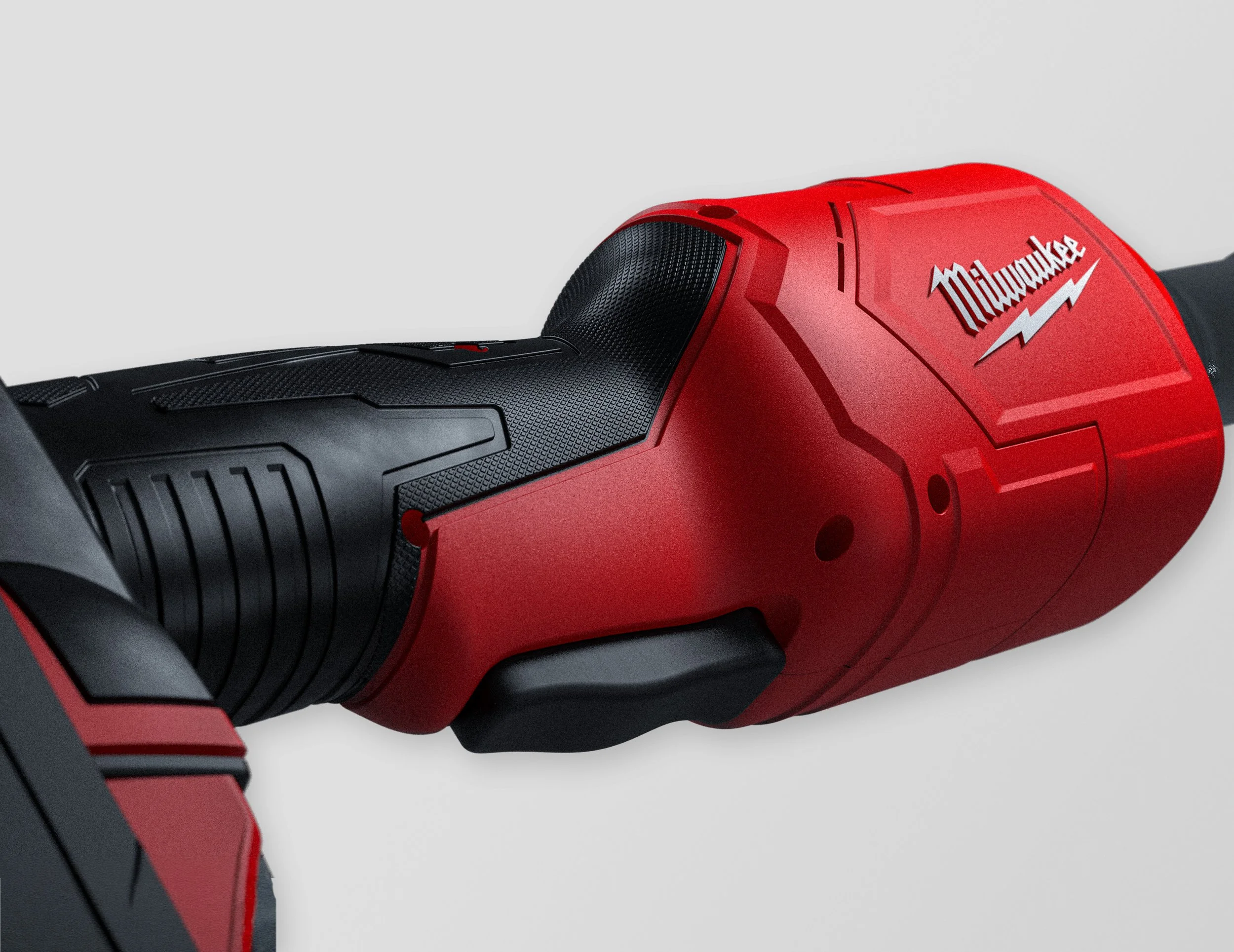
15 Week Project
Power Tool Design
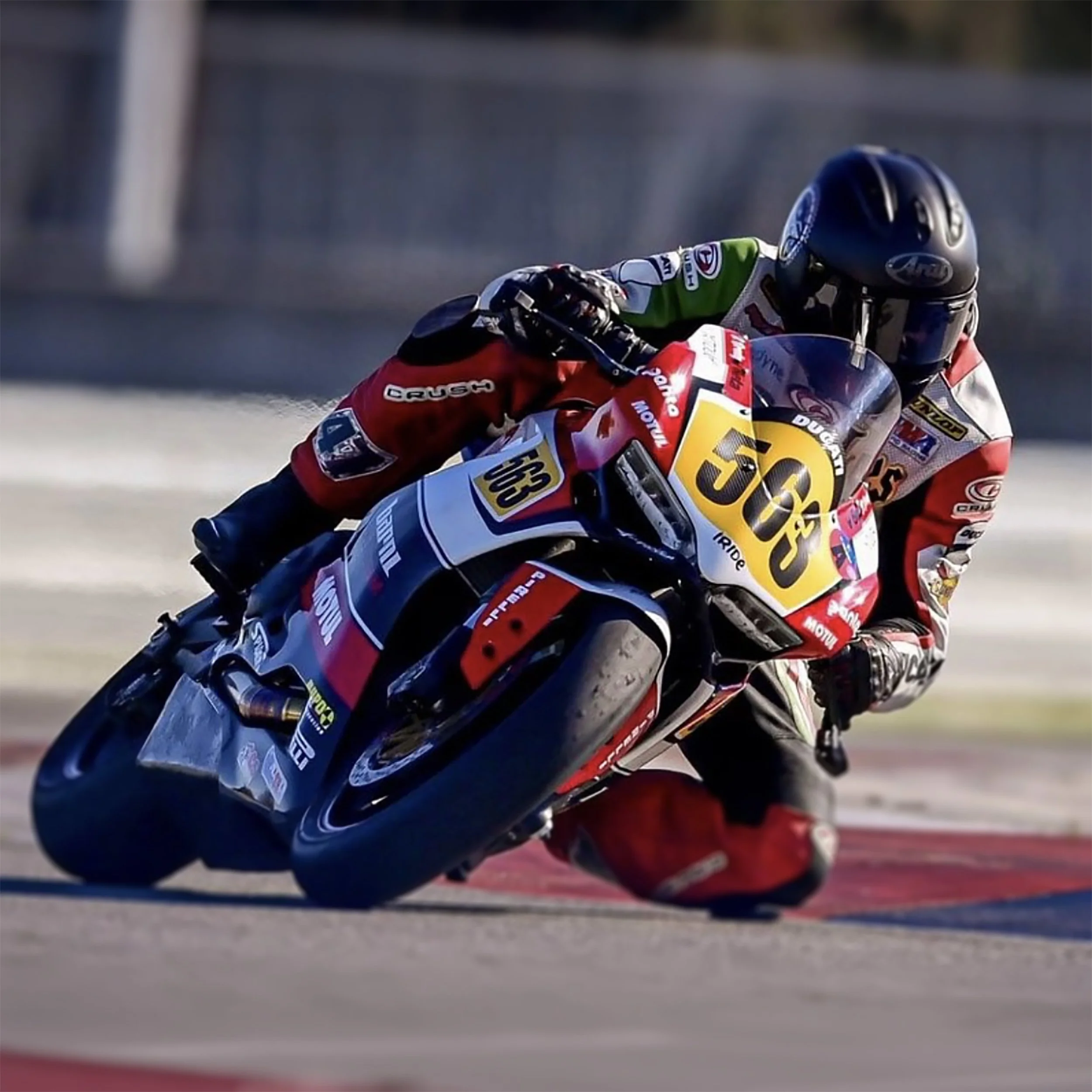
MEET LES MOSCARIELLO
Moscariello is a former professional road racer who now operates as a prominent entrepreneur and community hub leader within the motorcycle industry. He spends his time working on bikes, while operating a motorcycle shop near Cincinnati.
INTERVIEW TAKEAWAYS | Les Moscariello
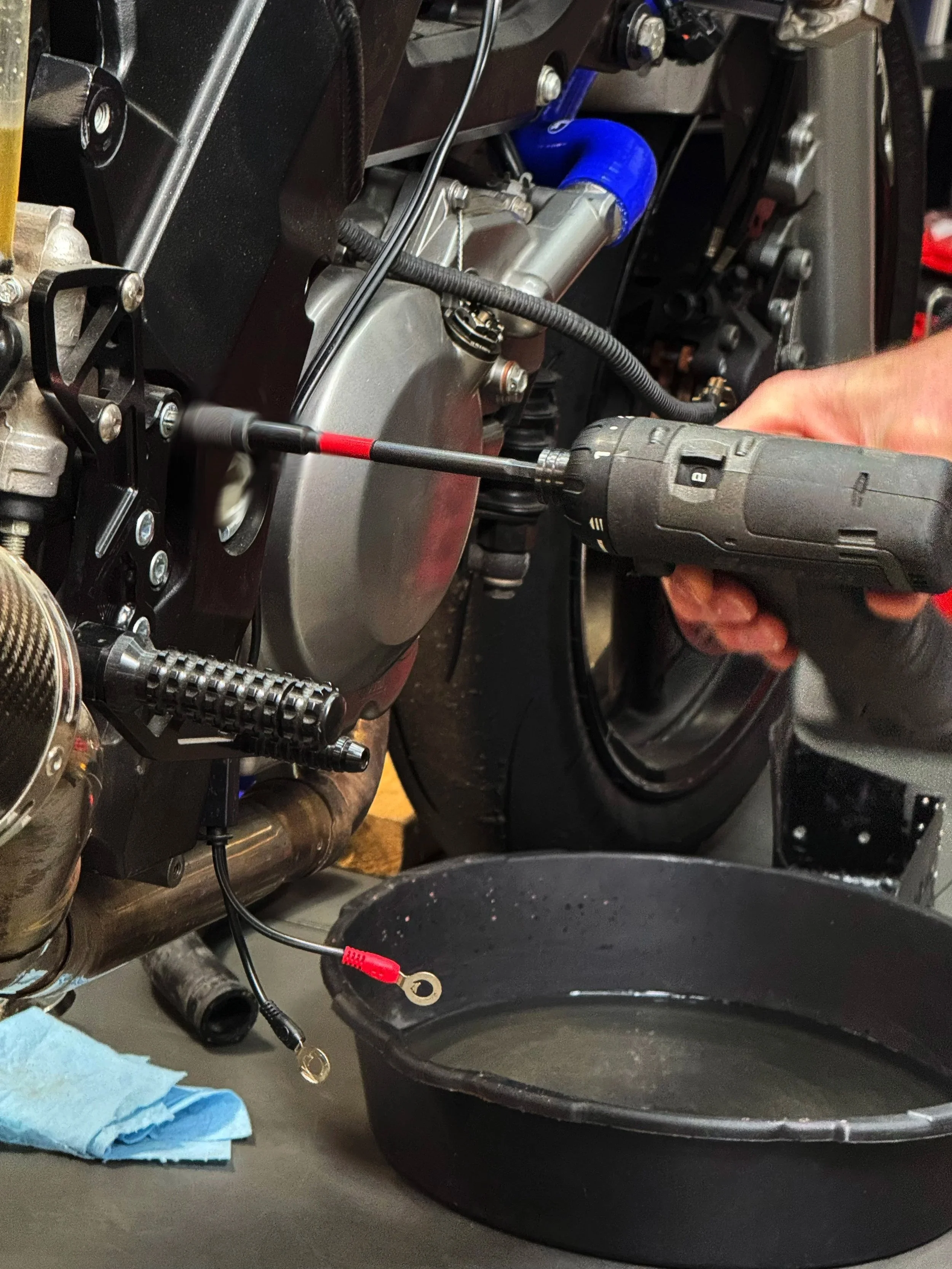
TIME IS EVERYTHING
The faster you can go, the more jobs you can get done. The more jobs you can get done, the more you grow your business and status.
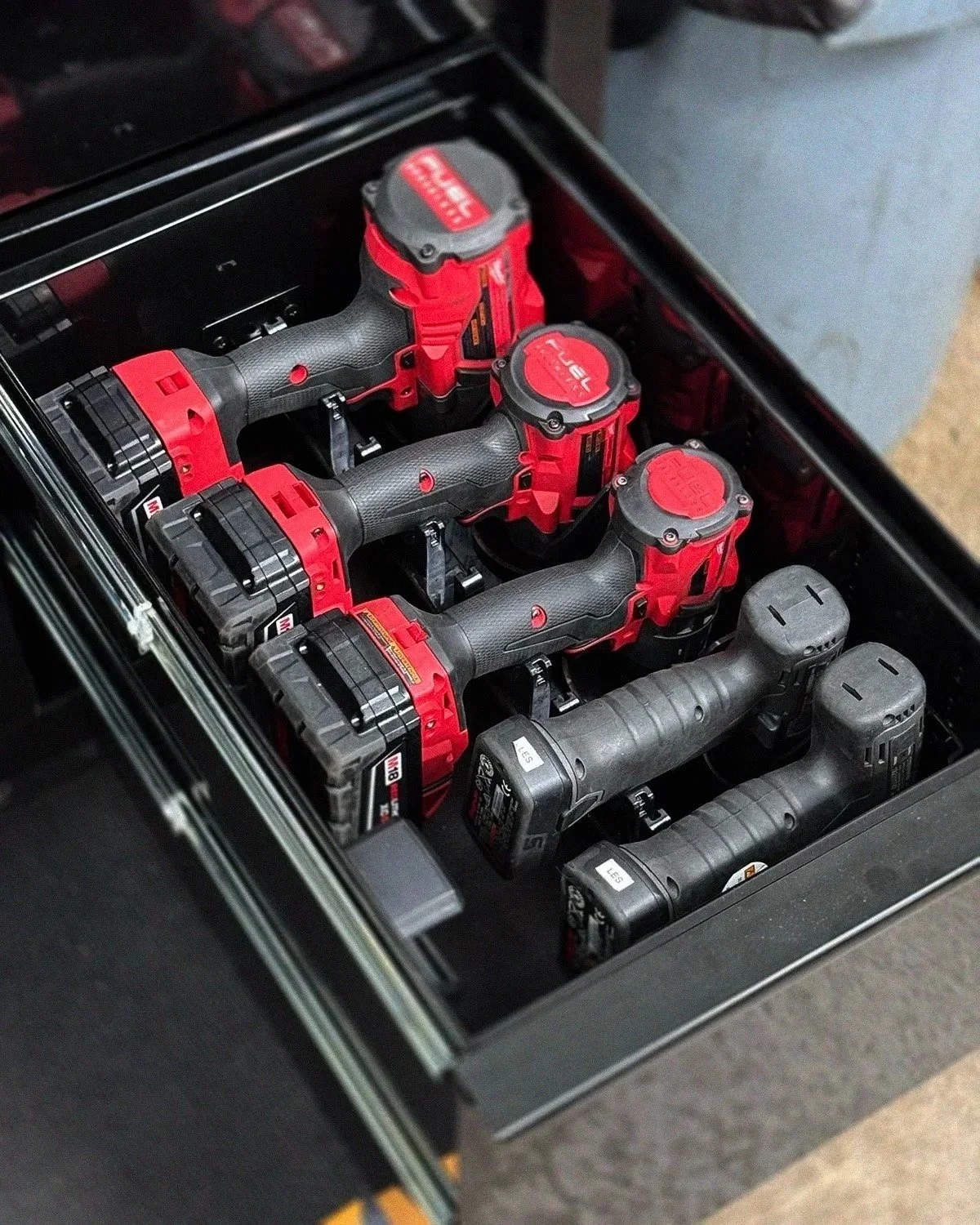
BATTERY SYSTEM
Having more tools that run on the same system, and use the same batteries / chargers, the more efficient the shop.
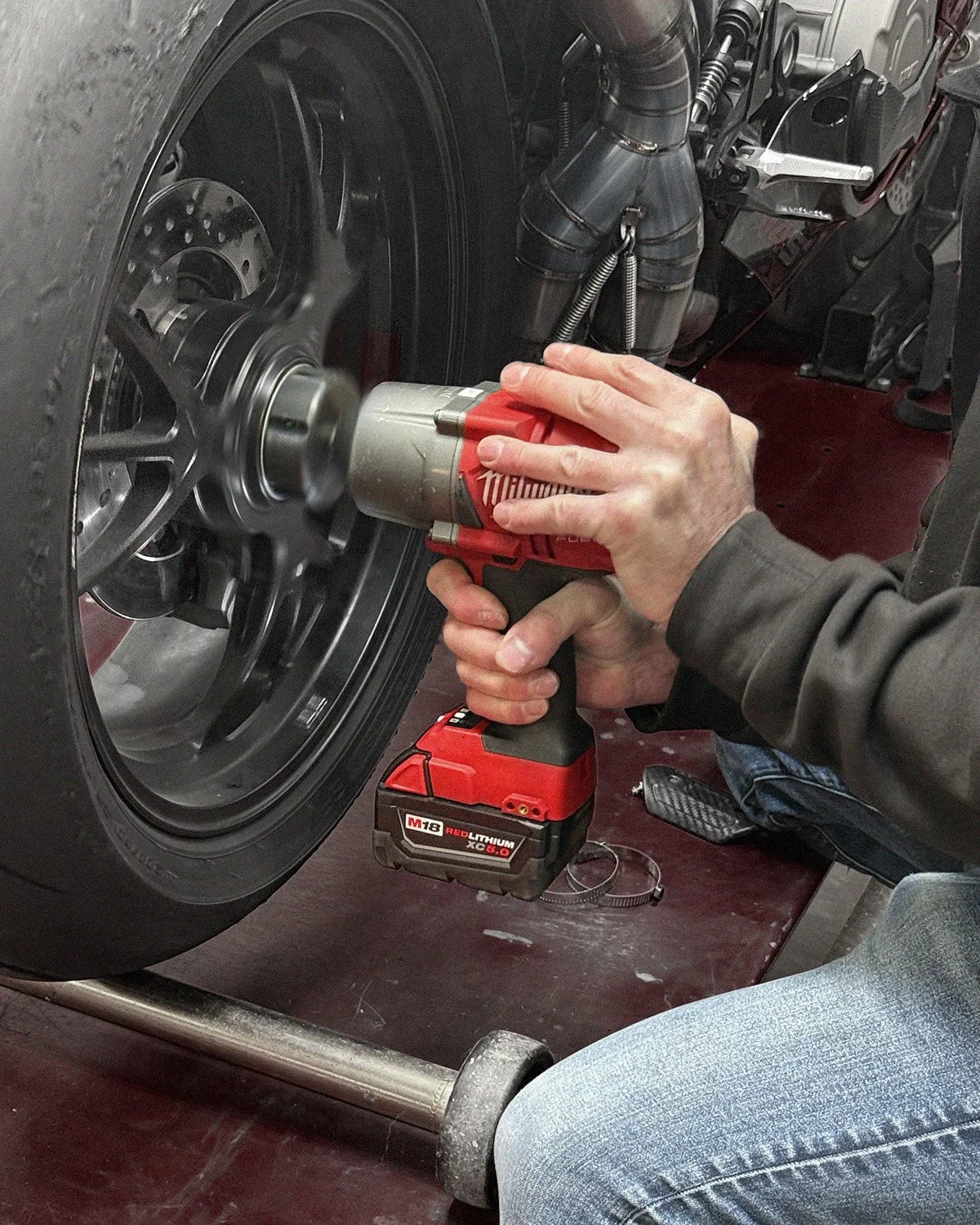
KEEP IT ORGANIZED
Keeping a shop clean is key to time management and efficiency. However, the more tools you need, the more space to store.
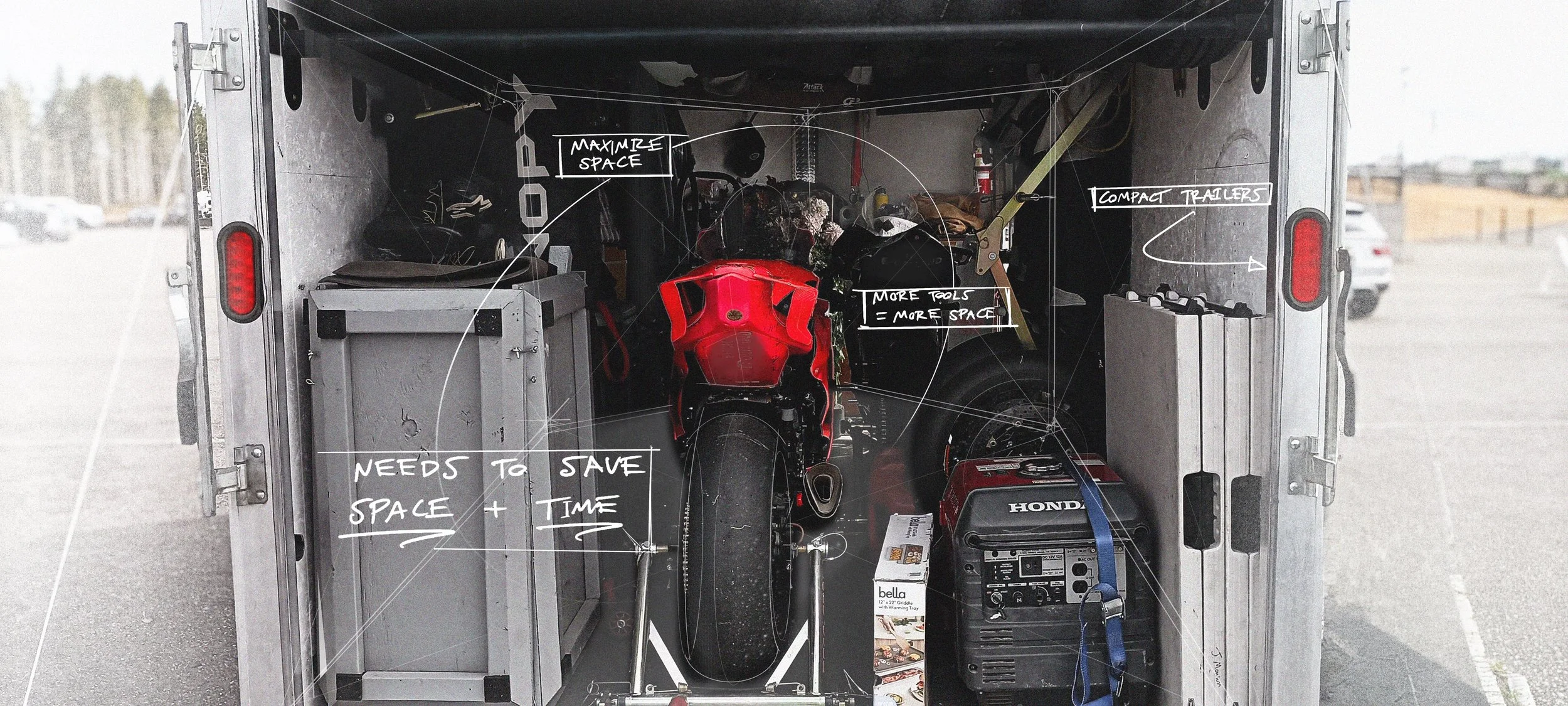
MORE COMPACT | MORE ORGANIZED | MORE ROOM | FASTER TIME
TRACK DAY DILEMA | Addressing space savings
WHY MILWAUKEE? | Design Intent
Milwaukee is an industry-standard brand known for powerful, reliable tools, a recognizable identity, and a reputable battery system.
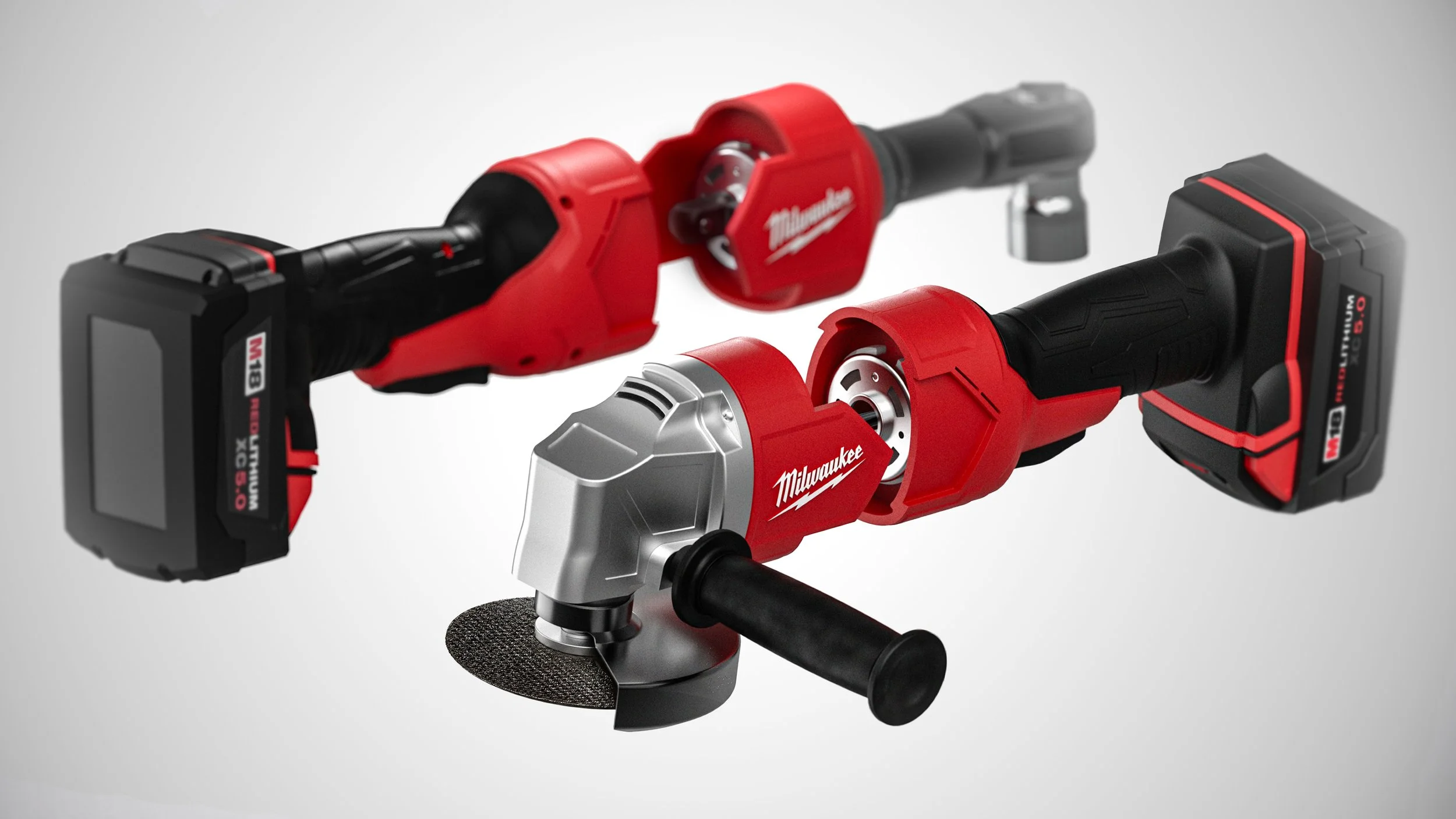
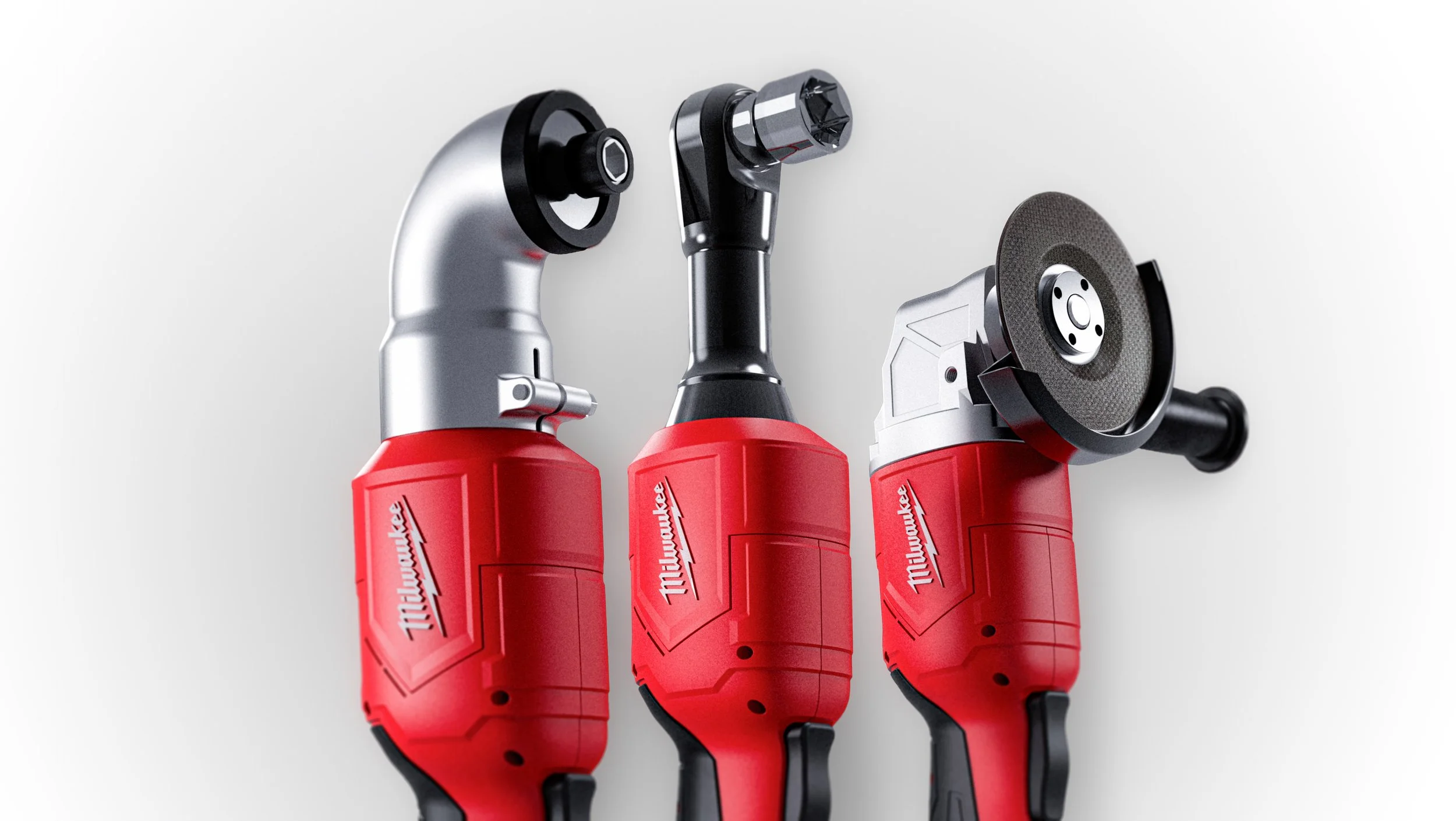
The design intent was to merge three commonly used tools into a single body, reducing the amount of equipment needed while making storage and transportation easier, keeping multiple functions readily accessible in one compact system.
DEFINE | Design a universal tool body to encapsulate three common tools
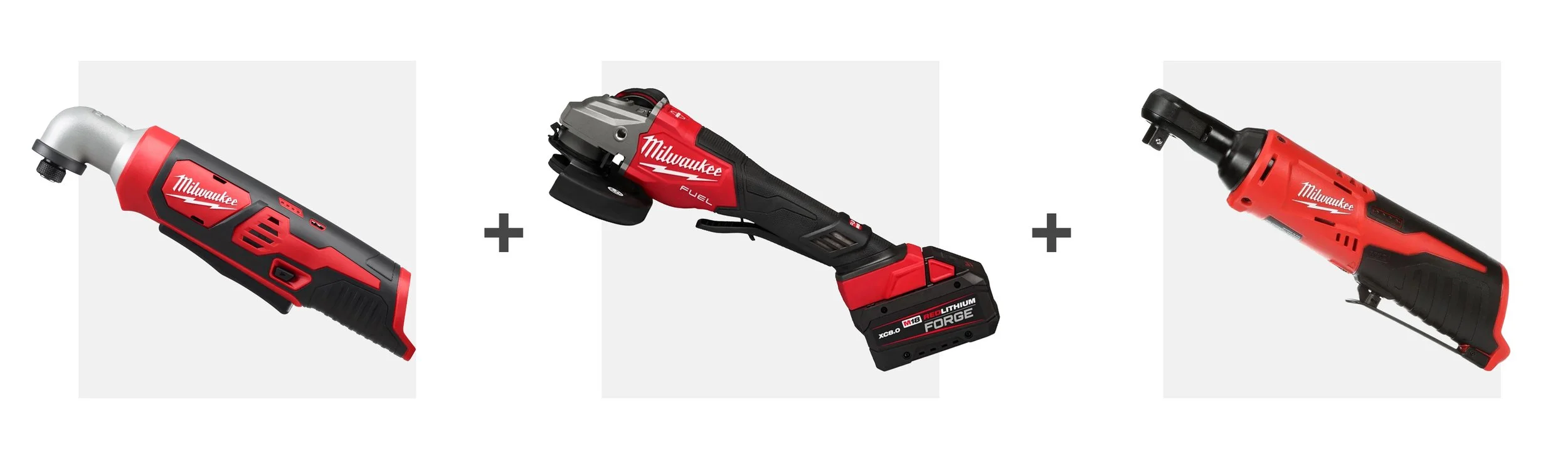
DRIVER
Used for removing and installing screws, bolts, and fasteners on components like fairings, engine covers, controls, and electrical parts.
GRINDER
Used for cutting, grinding, deburring, and shaping metal parts, such as brackets, exhaust components, or seized fasteners.
RATCHET
Used for quickly loosening and tightening nuts and bolts during engine, suspension, wheel, and general mechanical work.
MILWAUKEE TOOL STUDY
Analysis of Milwaukee design language and style. Focusing on details consistent throughout tools, surfacing and bevels.
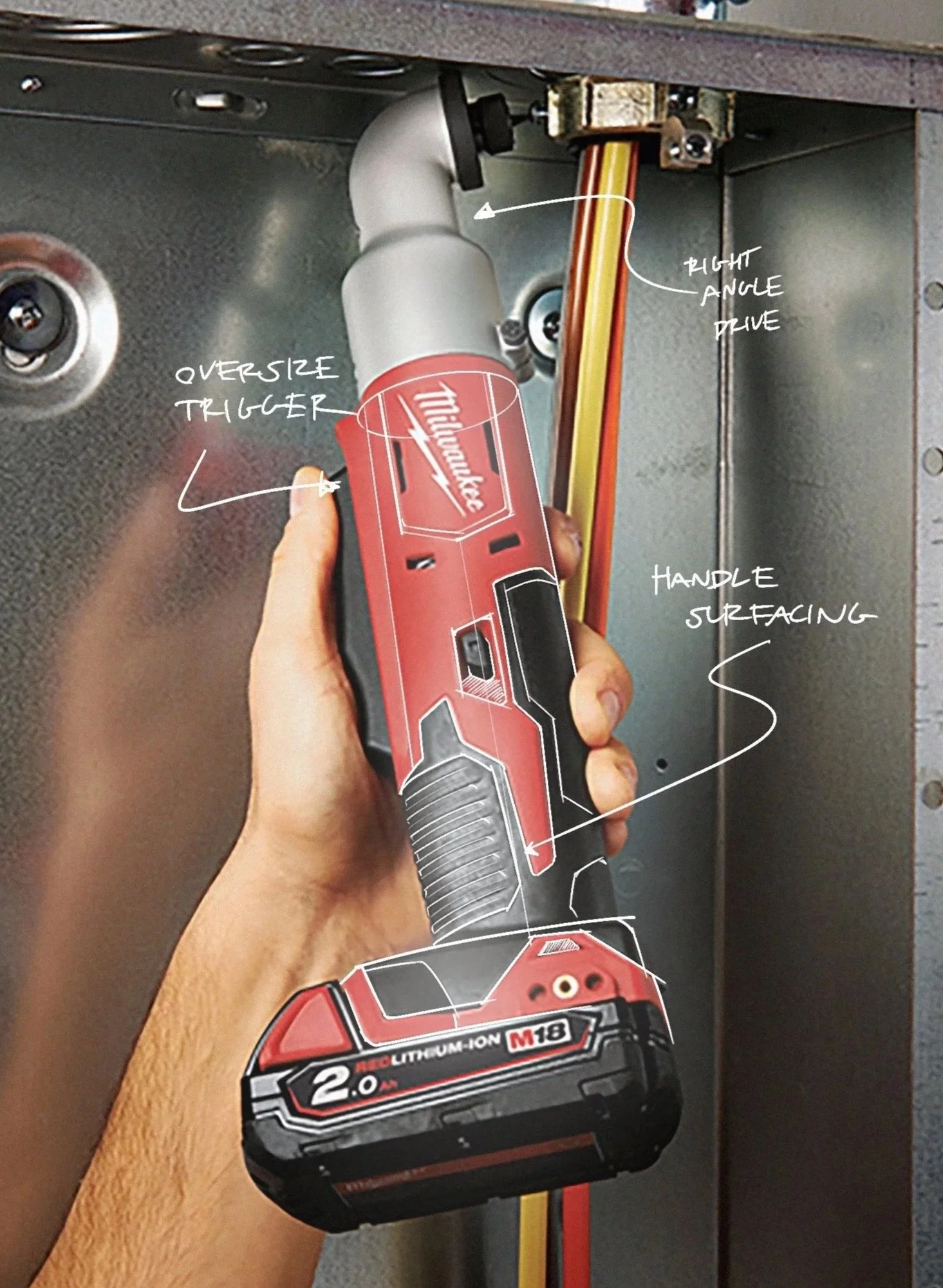
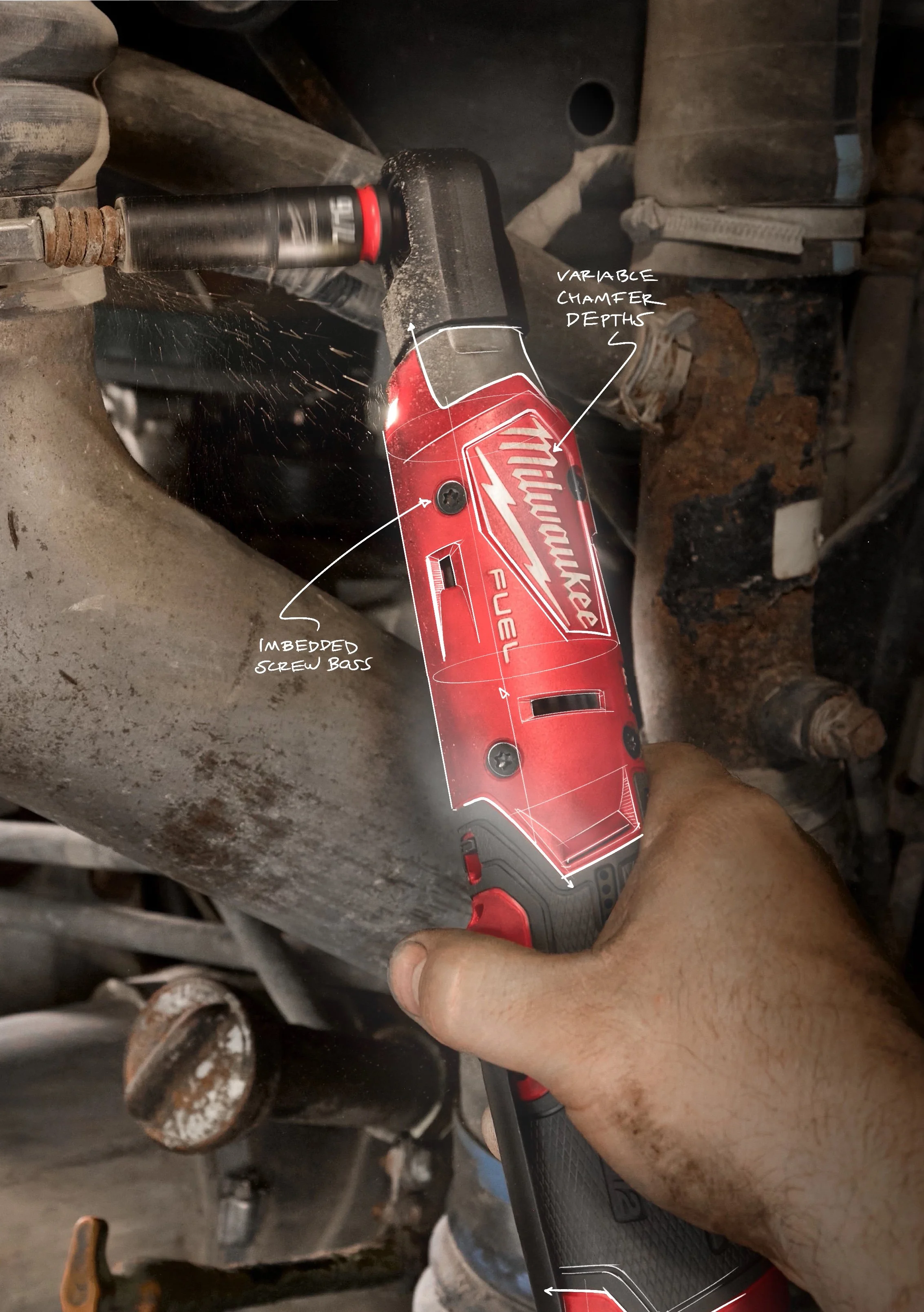
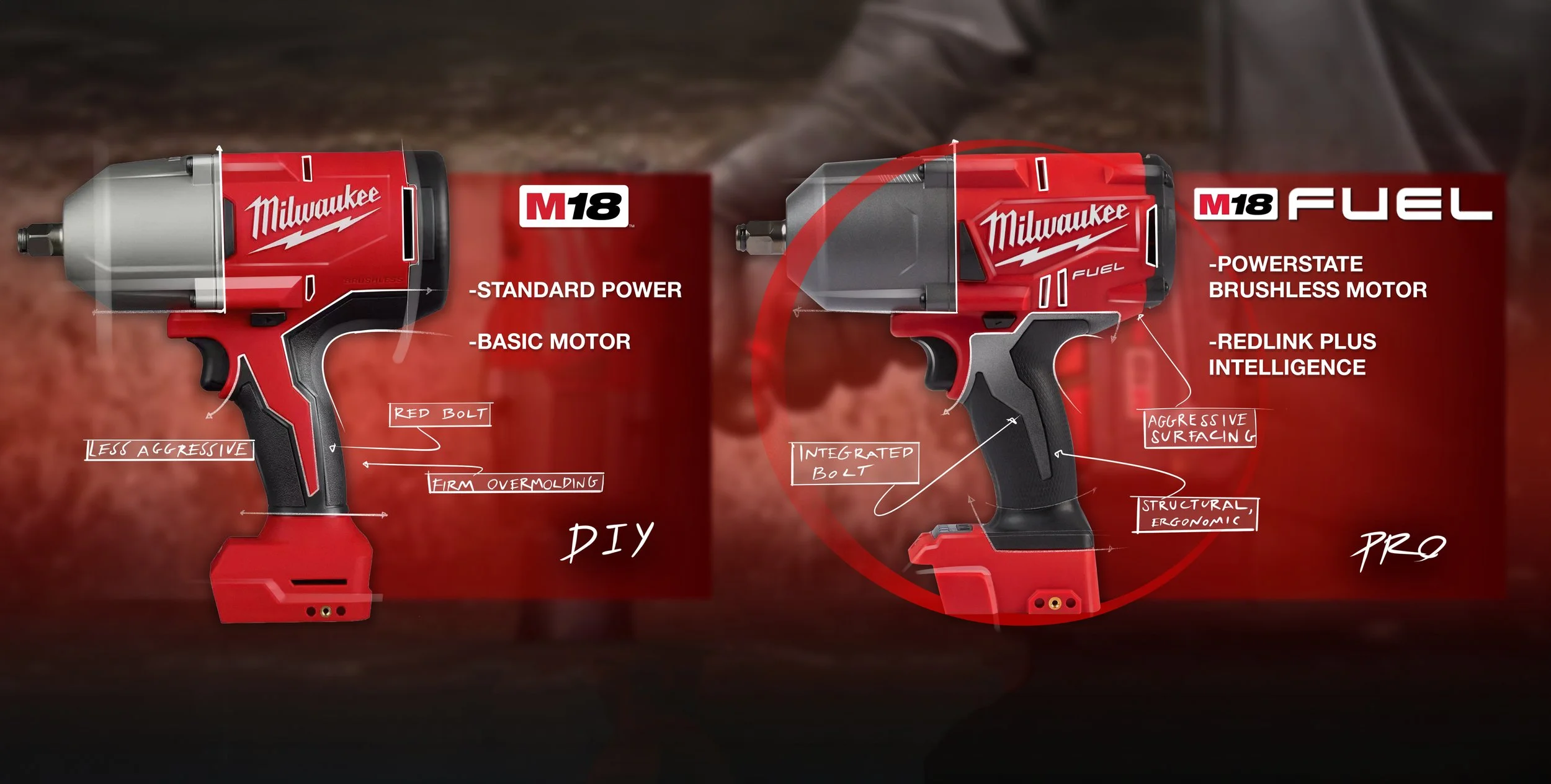
WHY FUEL?
Deep-dive VBL assessment of Milwaukee’s tool tiers to map the transition from entry-level utility to high-end professional aesthetics. Targeting this tier establishes a clear design direction focused on optimizing ergonomics and balance, while leveraging a rigid, armored aesthetic that communicates elite, professional level performance.
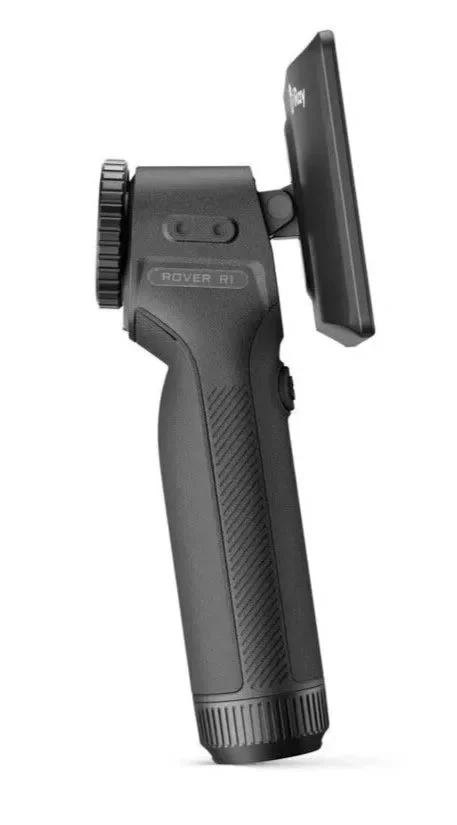
DESIGN LANGUAGE | Materiality & Ruggedness
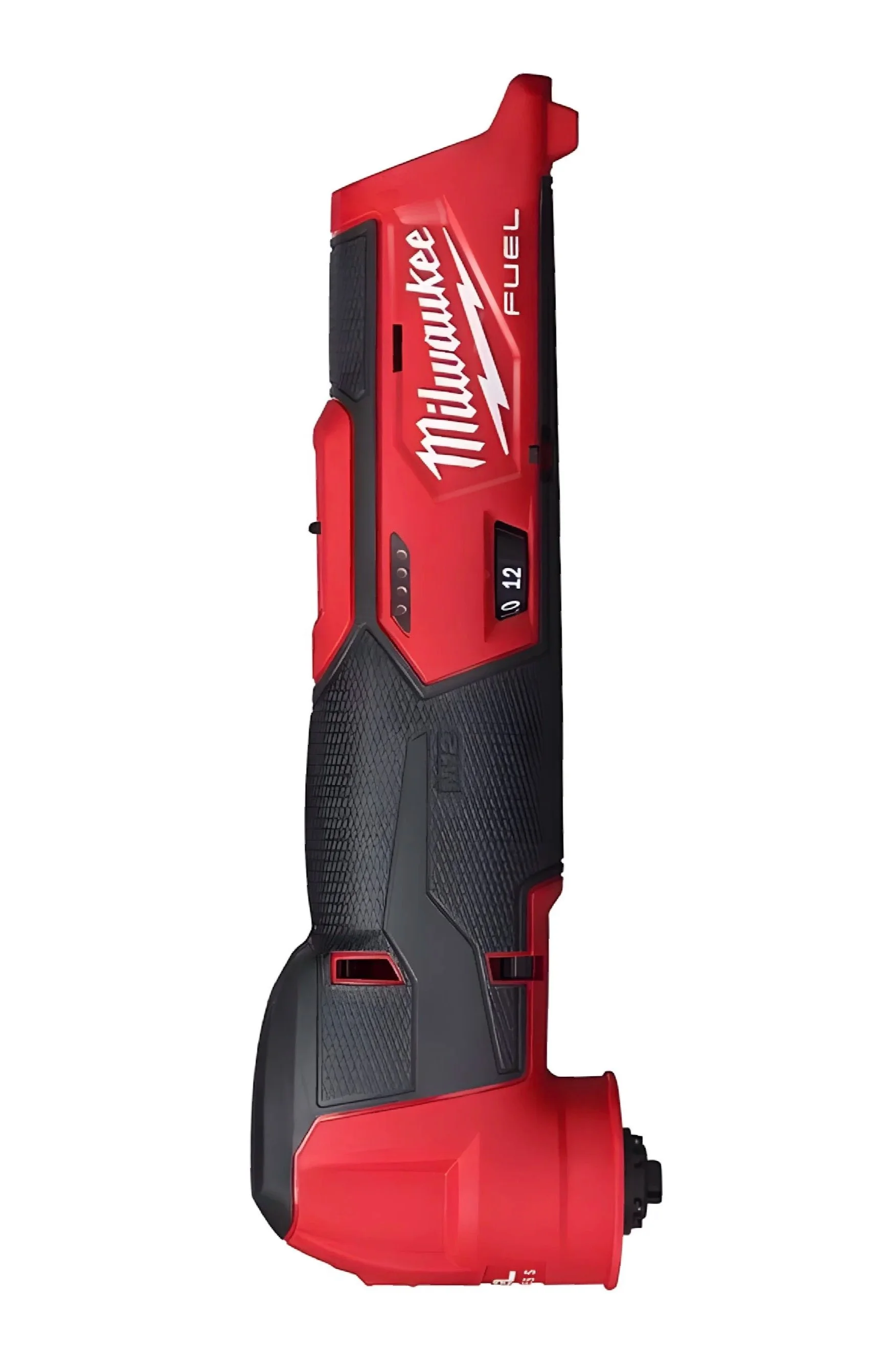
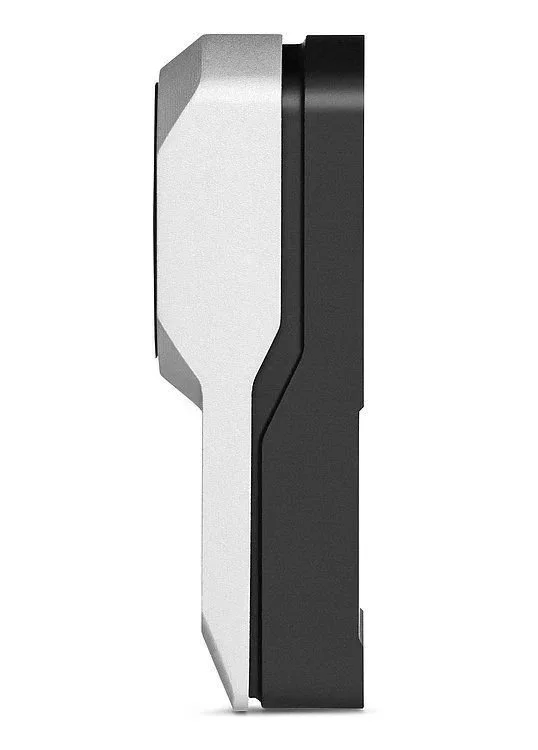
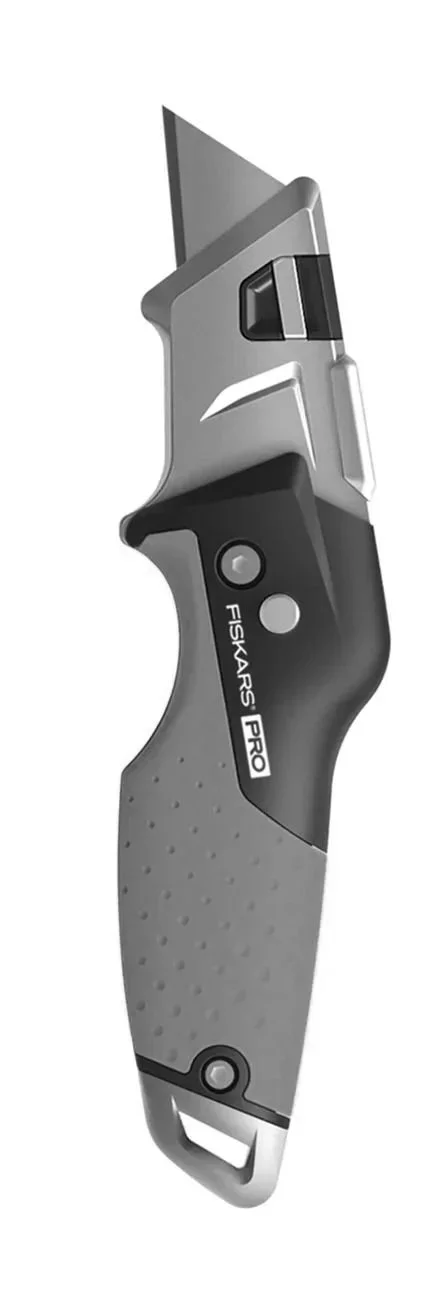
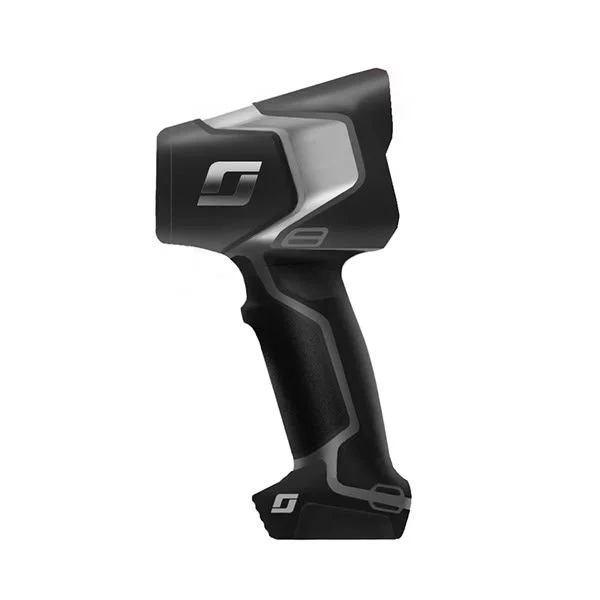
KEY TAKEAWAYS
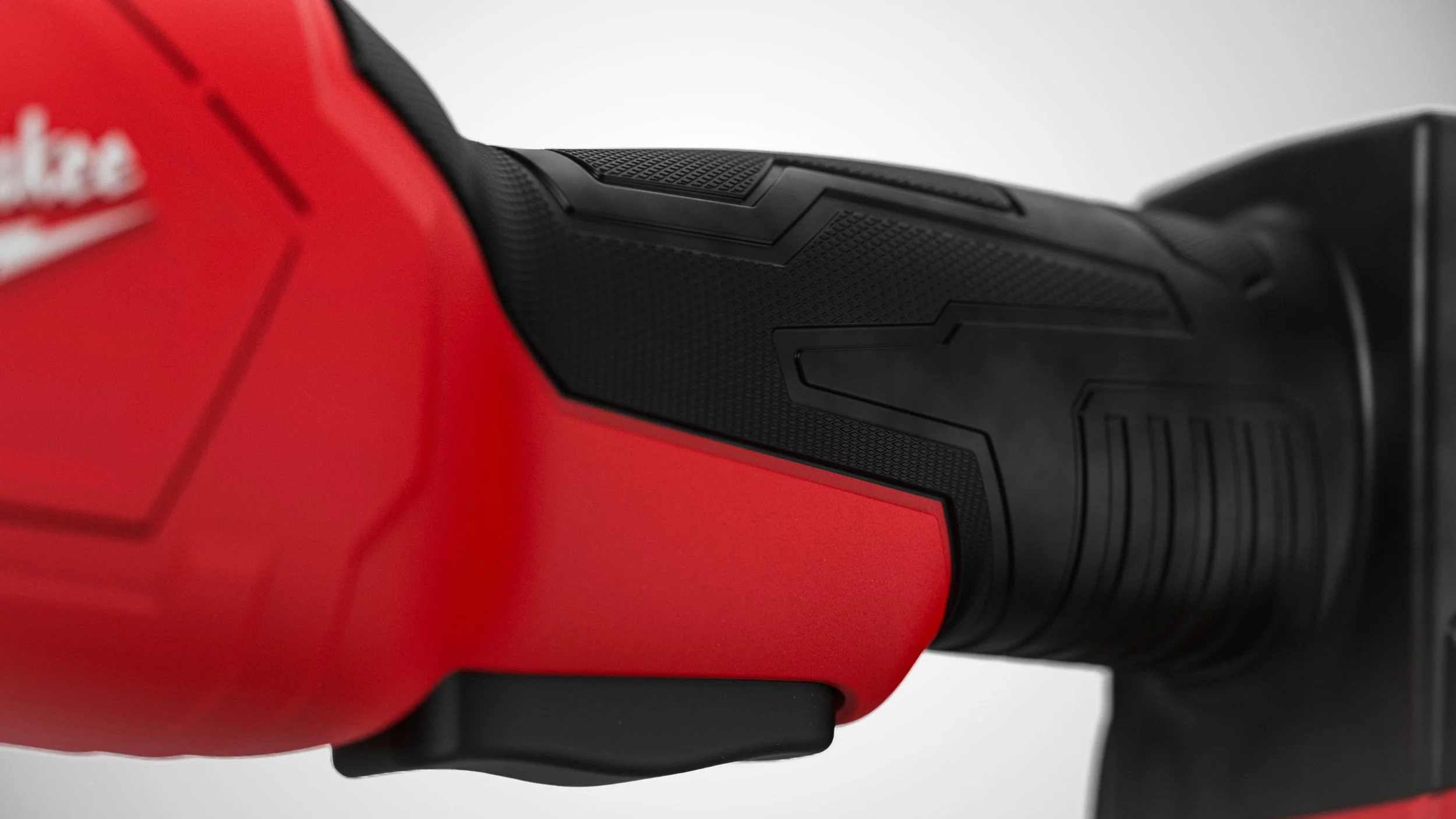
The interplay between rigid shell forms and soft-touch overmold zones, paired with deep grip textures and sharp facet transitions that communicates toughness without sacrificing refinement. This research informed the approach to form-giving, ensuring every surface decision carried intentional weight and purpose.
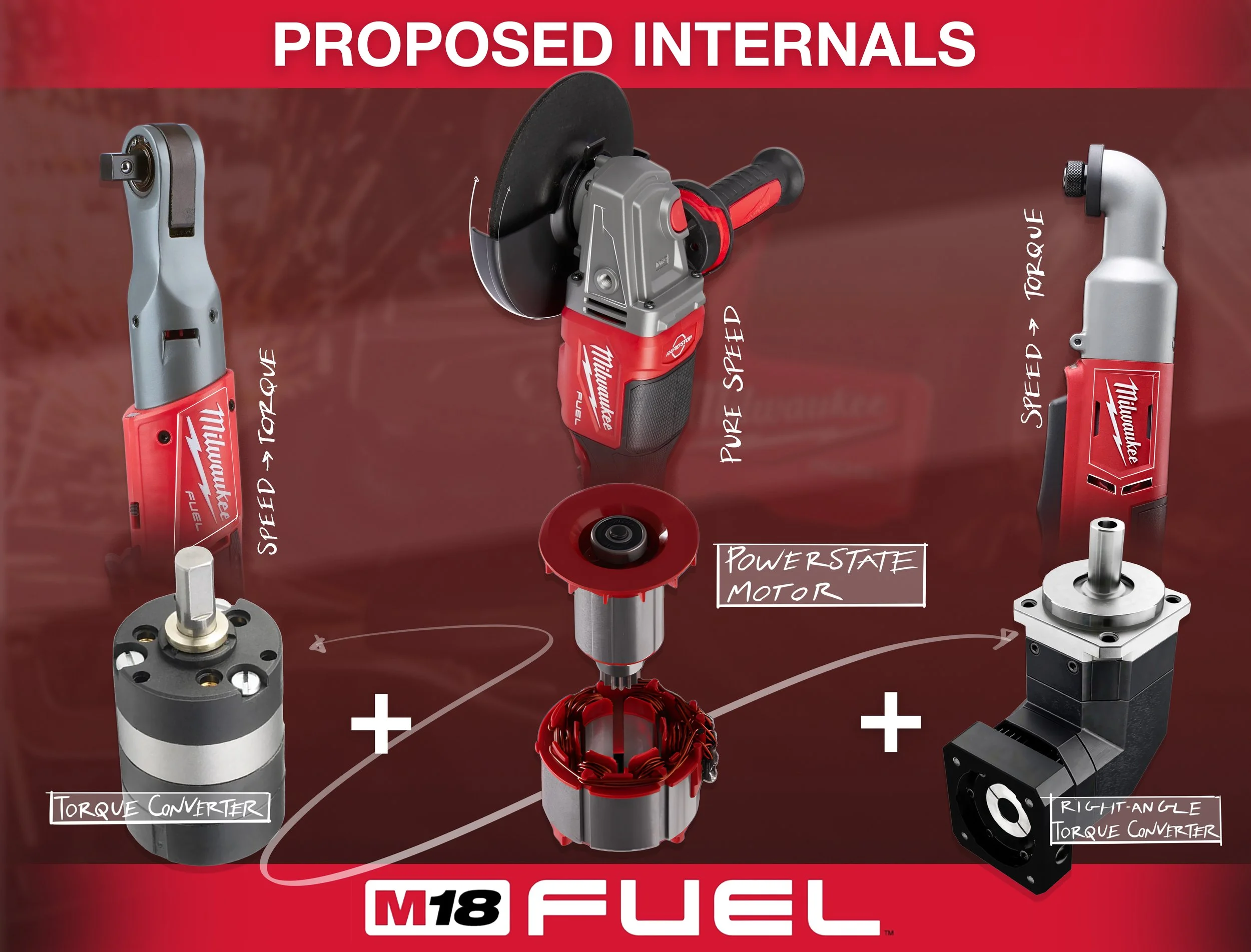
INTERNAL STUDY
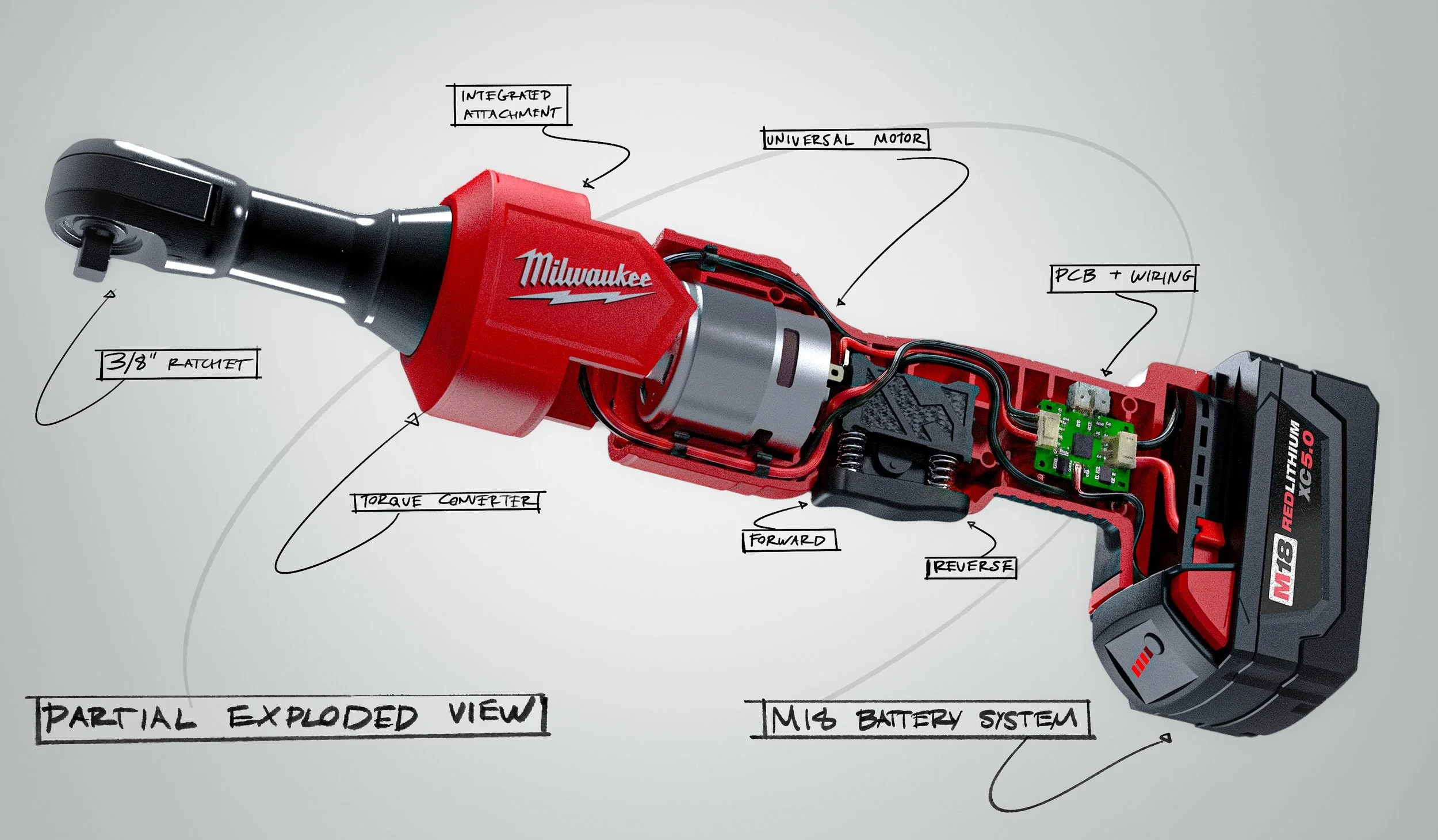
All three tool-heads draw from a single power-state motor in the handle, with each receiving drive either through a torque converter or a direct drive path - letting one motor serve functionally distinct attachments while the converters isolate each head's load characteristics from the shared drive shaft.
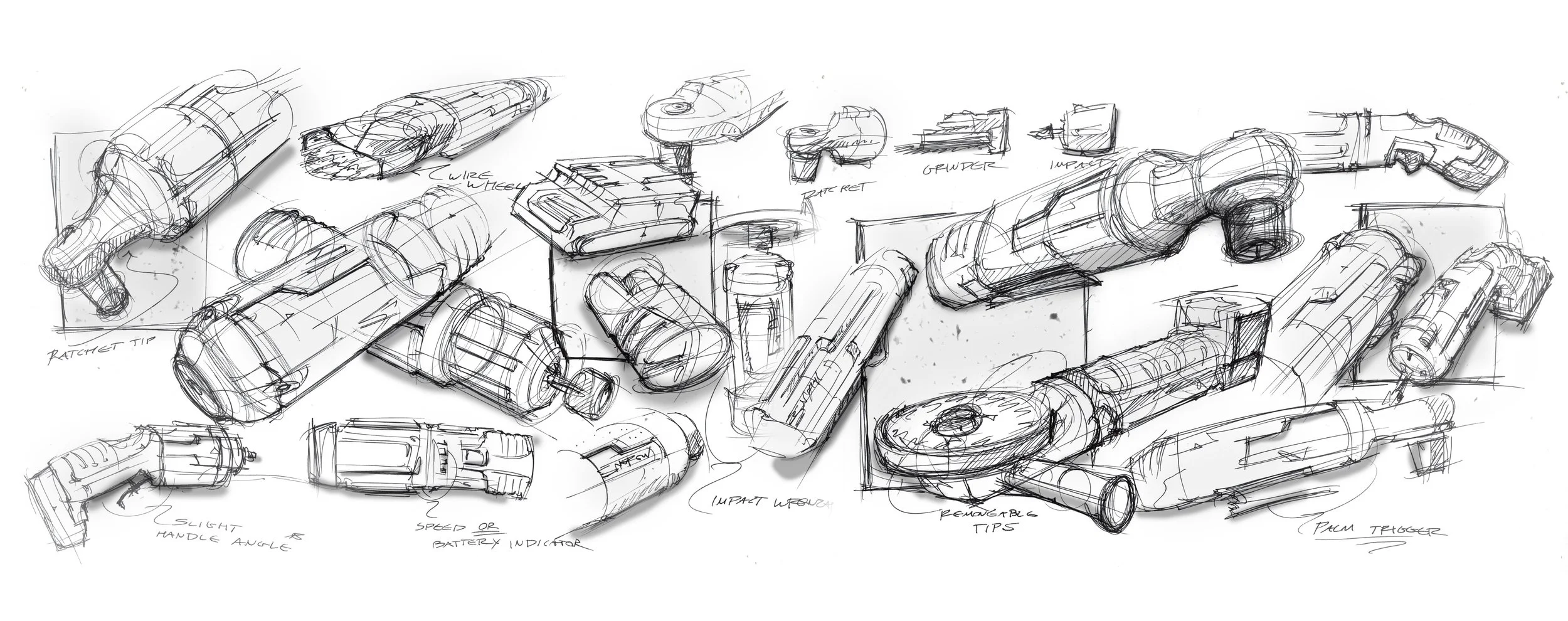
RAPID IDEATION | Loose form studies
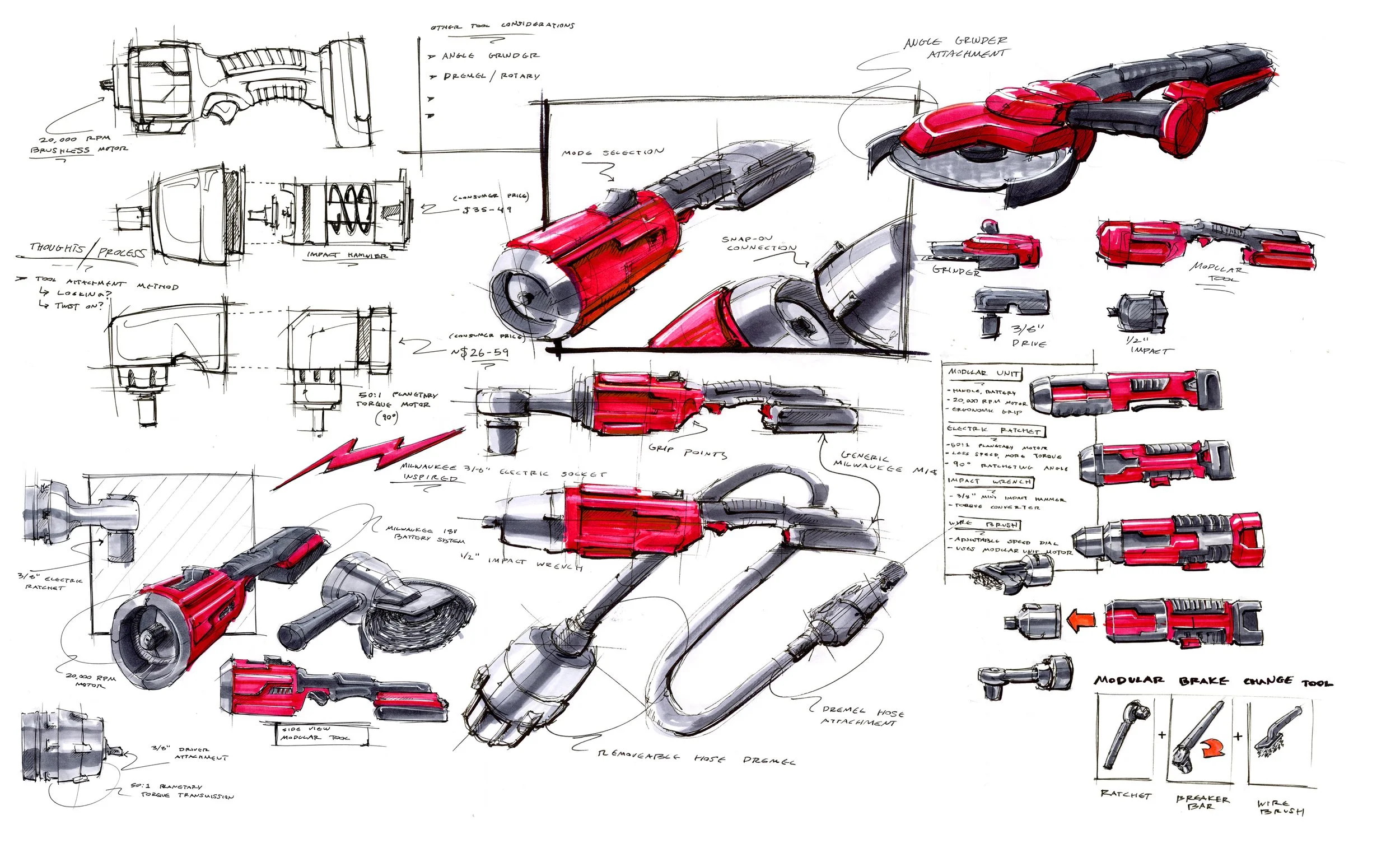
FURTHER IDEATION | Handle forms and tool change process
FURTHER DEVELOPMENT | Concept level
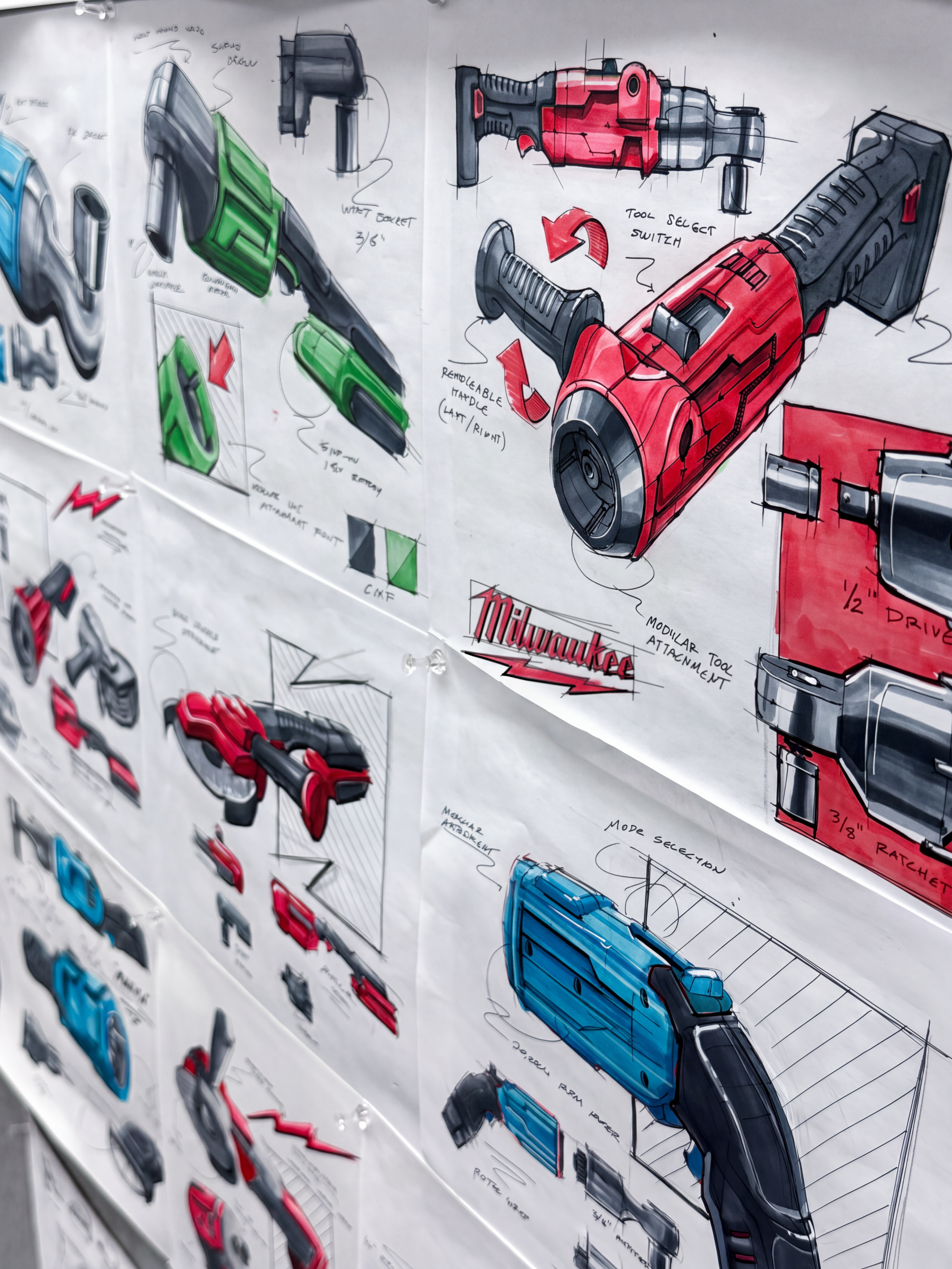
FORM STUDIES
Alcohol marker sketch renderings depicting handle forms. Focusing on a universal tool body that is both comfortable and practical for use with different tool heads.
PHYSICAL MODELS | 3D printed parts and ergonomic studies.
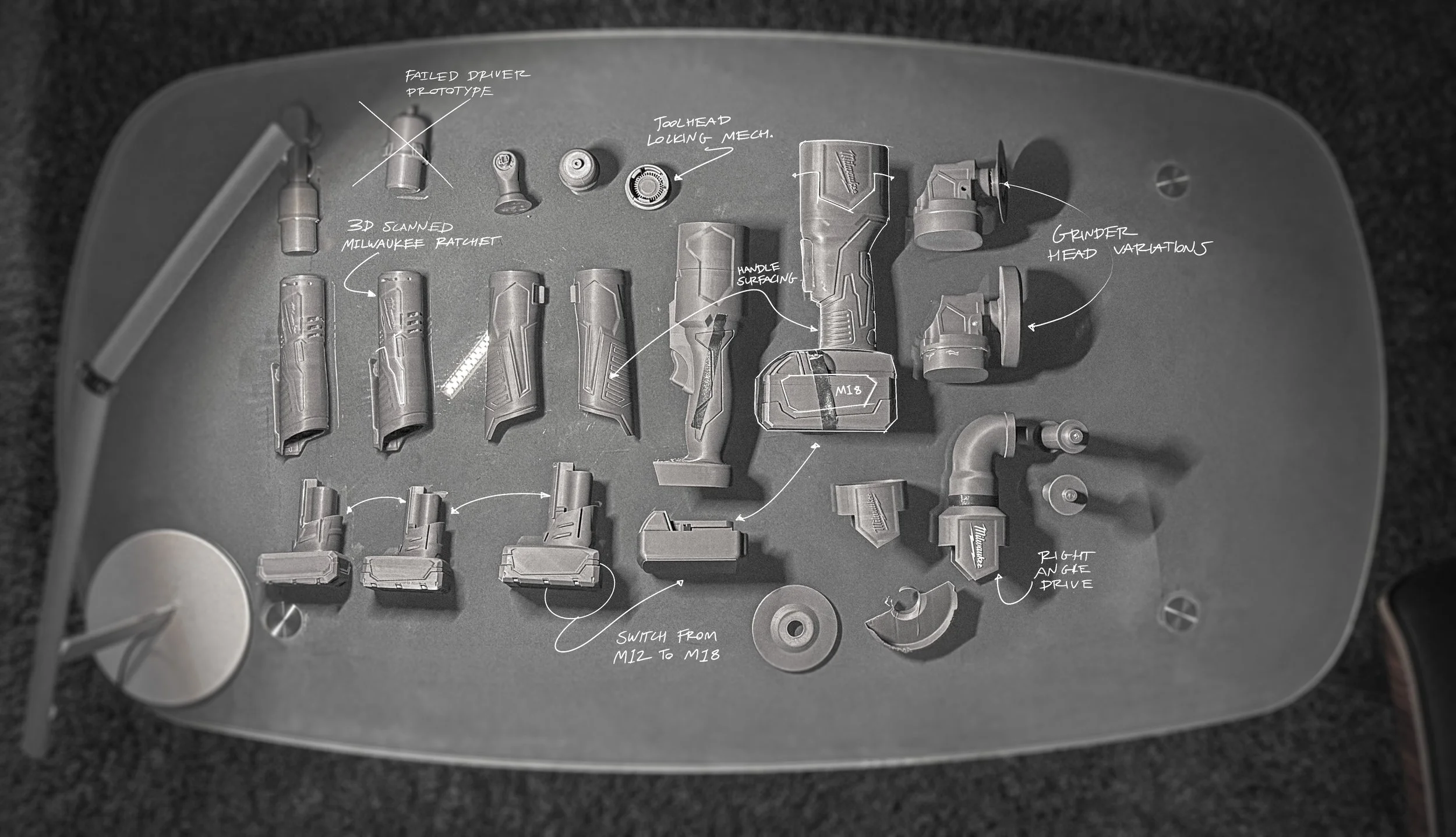
REFINEMENT PROCESS
Starting with 3D scans of a Milwaukee m12 ratchet for ergonomic studies and product teardown. The design process pivoted to an M18 Fuel approach, for higher power, efficiency, and torque. Fusion360 modeled prototypes were utilized to gather a better understanding of form and ergonomics, before landing on a final direction.
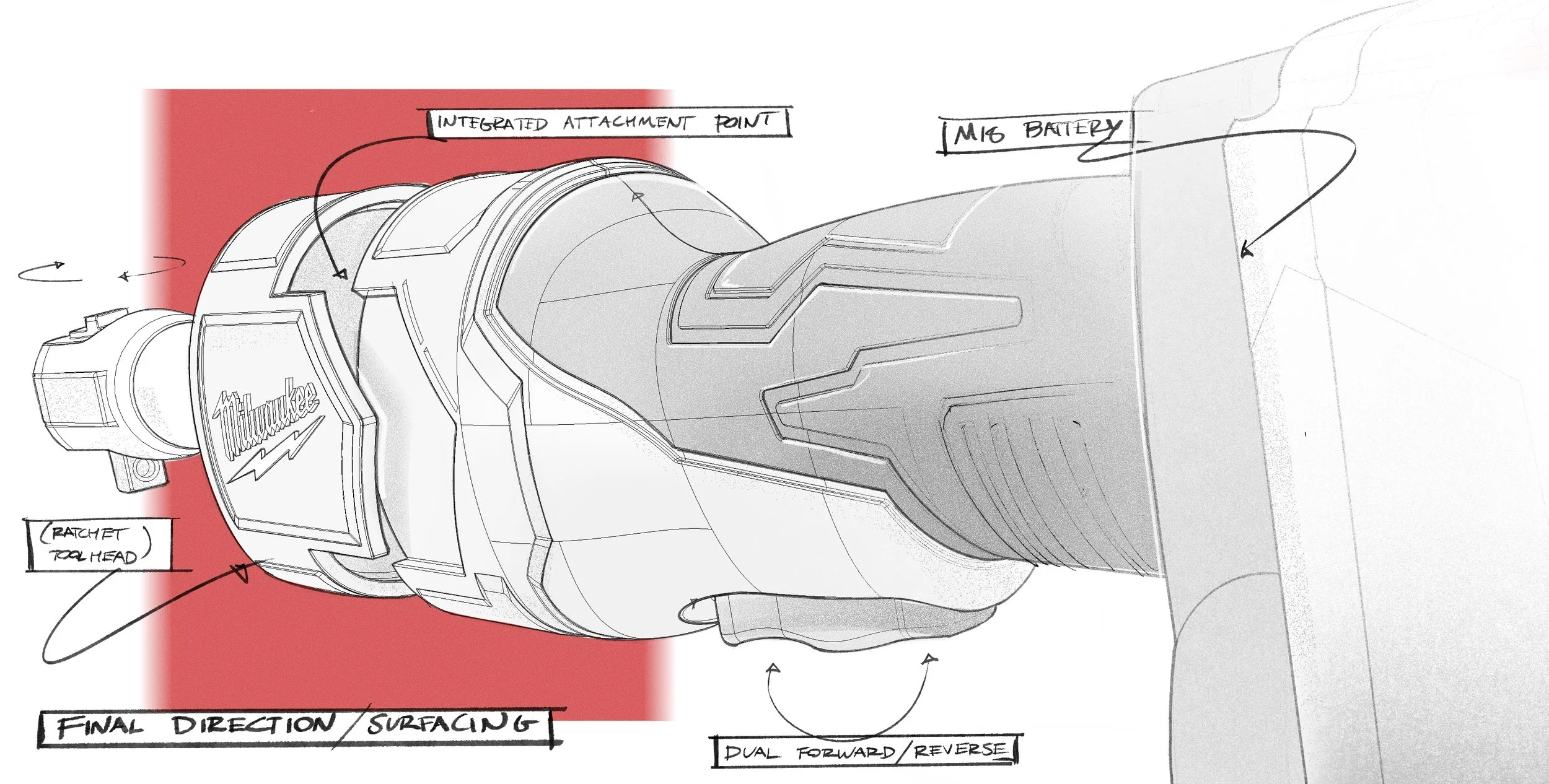
FINAL DIRECTION | Handle surfacing and details
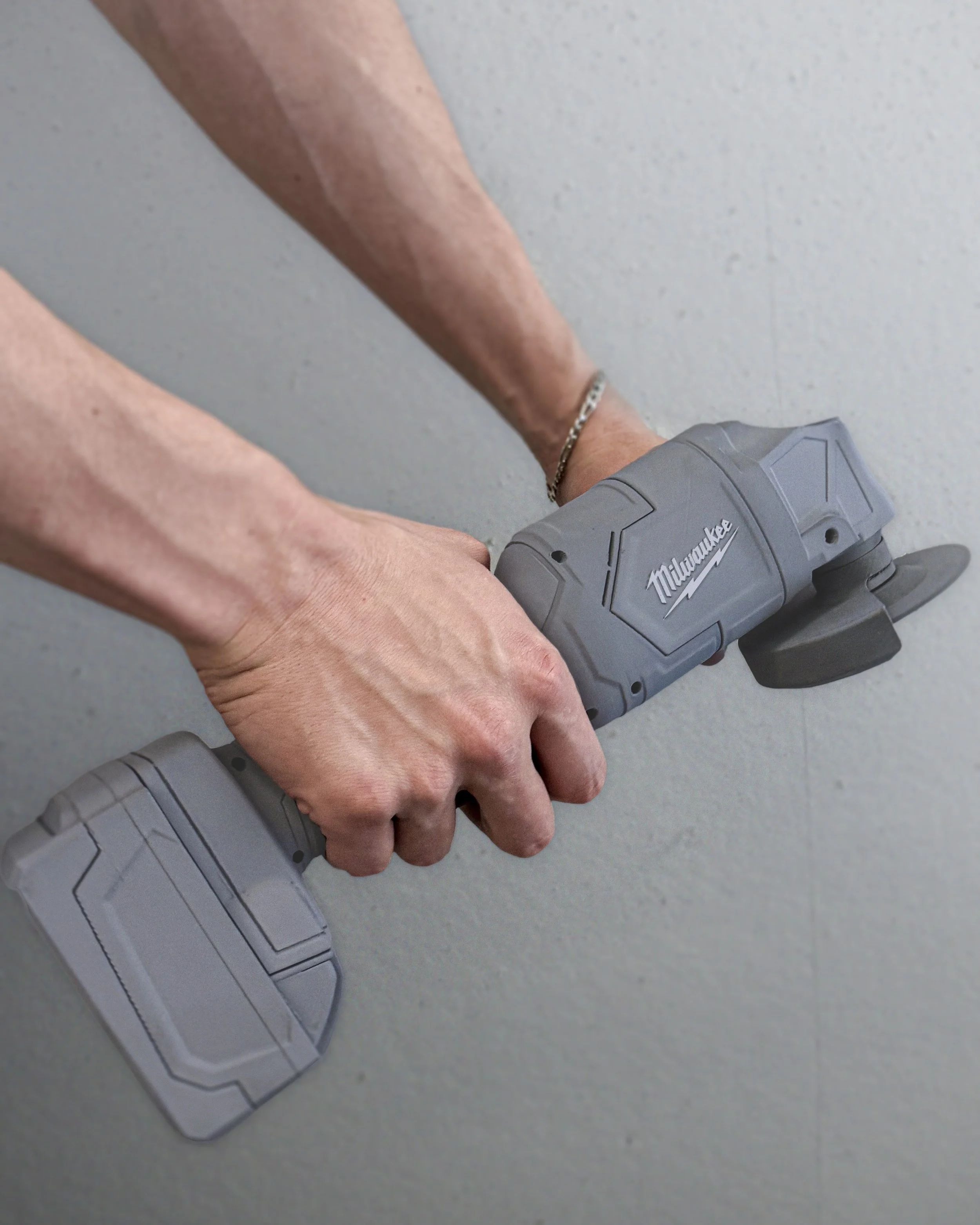
PROTOTYPE IN HAND
Primed and sanded 3D printed prototype of the Milwaukee branded tool concept in hand. Emphasis on ergonomics, grip style, and physical surfacing details.
FINAL DIRECTION | Product Renders
Vizcom Animation